Chats with a Human: Jenna Todd, bookstore owner
In my work I see a yearning for connection, community and creativity. Buying the bookshop is an optimistic investment in that belief.
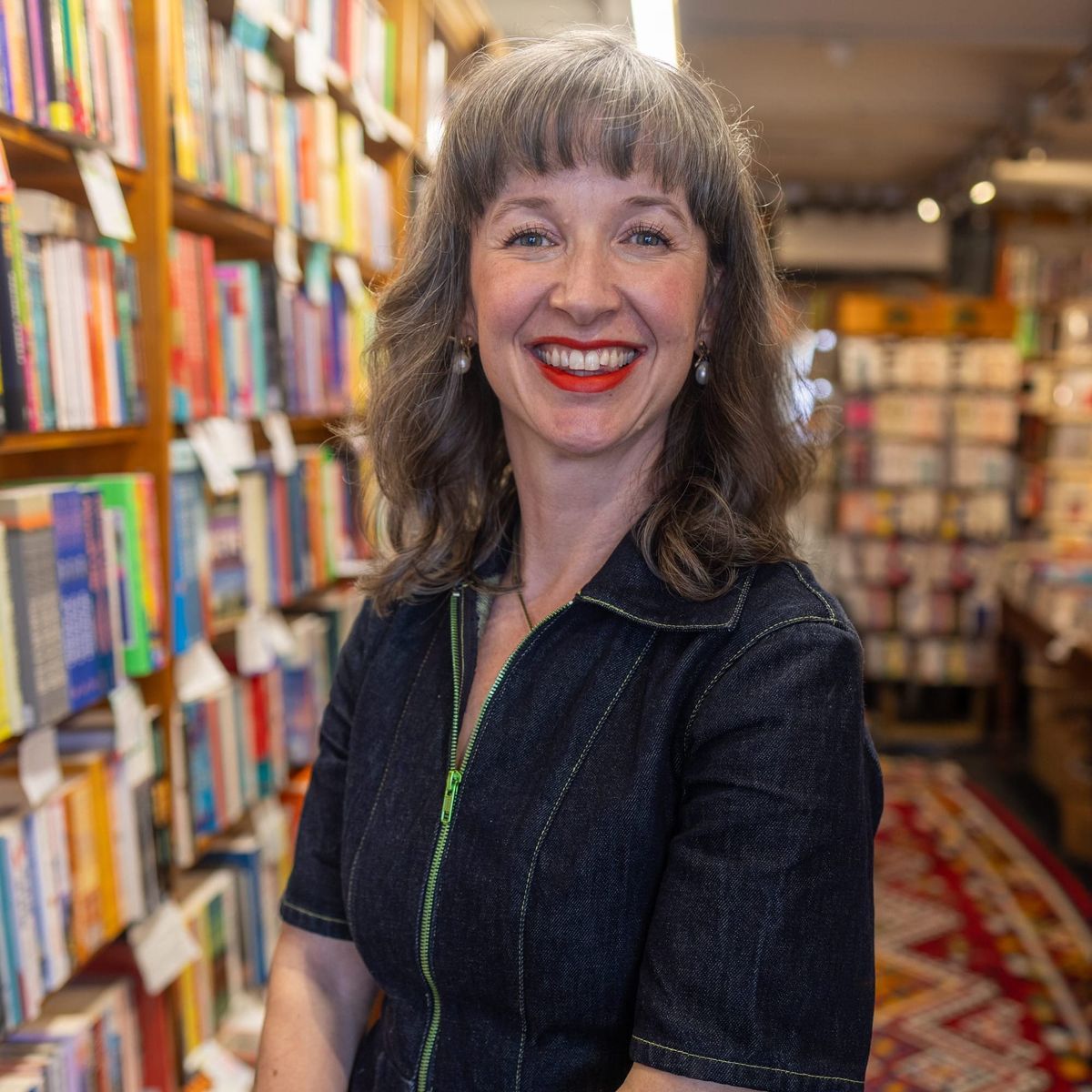
Jenna Todd (Kāi Tahu) is the owner of Time Out Bookstore in Mt Eden, Auckland, New Zealand. She has been working in books since 2010 and has been at Time Out since 2010, buying the store in 2026. Jenna is currently on the Board of Trustees for the Auckland Writers Festival, sits on the Board of Auckland University Press, and also reviews books monthly on Radio New Zealand’s Nine to Noon and fortnightly on 95bFM’s breakfast show. She moonlights as a wedding photographer when not at the store (full disclosure: she was mine!).
What is your understanding of AI and what it does?
My understanding is that AI takes information that already exists (across various forms) and regurgitates outcomes based on what it has mined. The more information it has access to, the more powerful it becomes.
How do you feel about this technology?
Because human connection and creativity are such vital parts of my working and personal life, it makes me concerned. However, AI that cuts admin time for creative people to be more creative, I think positively of it in that regard. Overall, I think a lot of people can be left behind in AI and there's no solution for what gap that fills that I can see.
Has AI impacted your industry and/or adjacent industries?
Very much so - authors have had their work scraped e.g. New Zealand author Catherine Chidgey was recently included in a billion dollar US settlement over the illegal downloading of books to use for building an AI chatbot. There was a snafu (that reached International news outlets) over AI cover design for the Ockham New Zealand Book Awards.
Do you use AI at work? In what capacity?
I've been beginning to use it to analyse financial data reports, profit & loss etc.
In my other life, I'm a photographer and there are AI tools to greatly increase the speed of editing. e.g. separating background and subject, brighten eyes. This has turned a 15-30 minute manual process into a step that takes seconds - it allows me to have more time for what I love about photography. The creativity!
If you do use it, how do you find it has helped you? Or hindered?
I like it for black and white analysis and comparisons.
You’ve recently bought a bookstore that you worked in for many years. Does it feel like an act of optimism/faith/rebellion etc, in the times we live in?
Absolutely. In my work I see a yearning for connection, community and creativity. Buying the bookshop is an optimistic investment in that belief.
There is a school of thought that AI will mean fewer people read or want or need to read. An example would be students using AI to summarise books, meaning they don’t have to read or digest them. How do you feel about this?
That's so sad. Our biggest threat to the book industry is people not reading. However, there's data that people want to read, they are just doing it. But reading can be an influencing activity - so the more people that are seen reading, I hope the more will want to follow.
People just need to be given the right book at the right time - there's a bit of pressure there if you're given that responsibility of recommendation as a bookseller.
As a millennial who has lived through many technological evolutions –
first the internet, then social media, how do you view AI?
It's here to stay. How can we make it work for us?
What does it mean for you to be human?
Connection, conversation, original ideas, authenticity, real life experiences, touching grass.
If you had the ability to change one thing about the way AI is being used now in your industry, what would it be?
I would like it to stay away from an author's work!
But otherwise - bookstores need to have a personality and AI does not give you a personality. I would like people to believe in their own thoughts and voice to use in their communications as that's what customers desire in a real-life bookstore.
In terms of production of a book, I am gutted to hear that covers being made with AI are getting harder and harder to tell. You can make covers with AI now but still absolutely tell, but one day that won’t be the case. When I think of the many people who are part of the behind-the-scenes backbone of the book industry, I think that would be devastating for the industry and I don’t think the best work will emerge.
How do you see AI transforming your industry in the next 5 years?
Ultimately, it's that if any part of a book is produced using AI, we should be allowed to know. Then, as bookstore curators, we can make an informed buying decision from there. The line can get blurry – for example, there was a poet last year that was disqualified from the New Zealand Book Awards as they had used an AI generator to create their poetry. That’s interesting to me.
It does open the question of – how far can you go with AI and still have the work considered an original? There are differing views in the industry of course. I feel like everyone’s beacon or barometer will be different. Olga Tokarczuk, a Polish writer who won the Nobel Prize in Literature, got interviewed last year and seemingly said she loves AI. At the time, she said there are things that has taken her so long to write and having AI makes it easier for her, but has since come out to clarify that she only uses it as a productivity tool, not to write books.
What do you like doing in your spare time?
Reading! Knitting, being with friends and whānau, learning Te Reo Māori, gigs, cocktails, travel. I also do Zumba. I go to a free community class down the end of my street. Nobody there knows each other or what we do for a job. I was on a panel at the Auckland Writers Festival – it was a festival wrap-up panel on a Sunday night, and this woman from my Zumba class was so shocked to see me there sitting on the stage.
Any last words?
My thoughts on AI is that it should make your creative life more creative. We have to be cautious and open our minds but, using my shop as an example, we want to have the richest, most creative and high quality books available that explores all facets of the human experience. I think that stuff comes from a human writer’s brain.
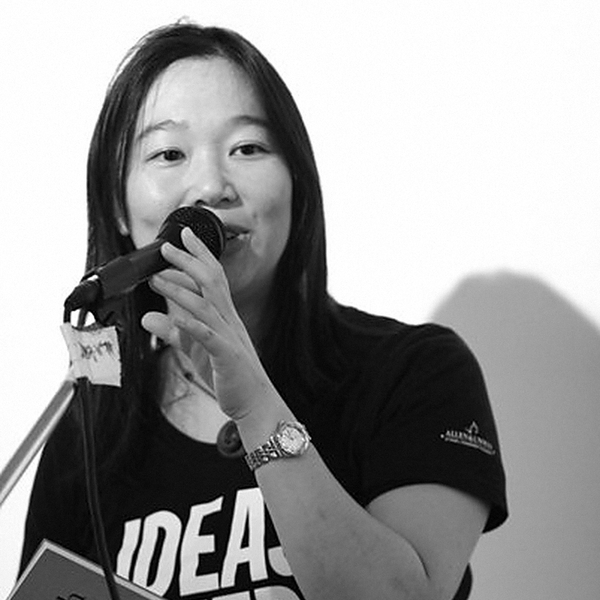
‘Chats with a human’ is an original series of content created for the Essentially Human website. I regularly interview someone from a different industry and ask them how AI has impacted their work.
All content is copyright © Karen Tay. Unauthorised reproduction, scraping, or use of this content, including by AI training systems, is prohibited without express written permission from Karen Tay.